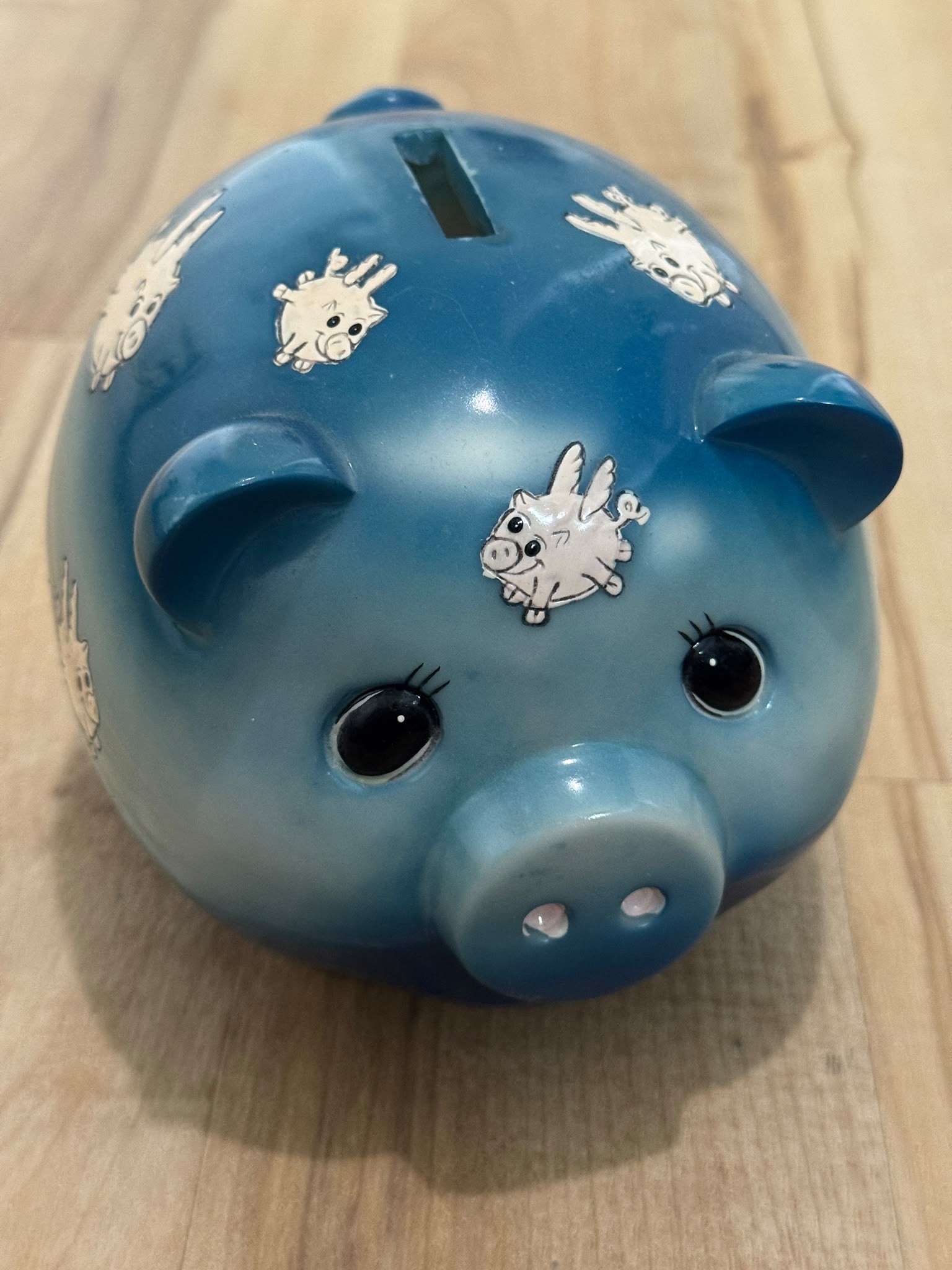

This week, at our Henley In Arden office, I was talking to a client about making gifts to their grandchildren.
What started as a conversation about generosity and estate planning quickly shifted into something deeper:
how do we actually help children build a healthy relationship with money and teach children good financial habits from an early age?
Because the reality is, cash means less and less to the younger generations.
They’re growing up in a world of contactless payments, digital balances and instant spending.
So we talked about a simple approach I’ve seen work brilliantly over time: three “buckets”
👉 Spend: for day-to-day choices
👉 Save: for short-term goals and building discipline
👉 Long-term: to start understanding the power of investing
What I love about this structure is that it turns money into a learning experience rather than just something given.
The 3 key lessons for children’s money habits:
- Learn to spend wisely make decisions and budget
- See the consequences of those decisions
- Build a saving habit early
- Understand long-term investing
With child-friendly bank accounts now linking spending and saving digitally, it’s never been easier to introduce these habits early.
And perhaps the most important part?
The conversations around it.
The small moments of explaining, encouraging, and asking “what are you saving for?”
Because those moments shape far more than the bank balance… they shape future behaviour.
It’s easy to think wealth planning starts later in life.
But often, it starts with something as simple as pocket money. 🐷💰